What to Wear on a Construction Site: The Complete Workwear Guide
OSHA requirements, practical layering tips, and the apparel choices that separate comfortable workers from miserable ones — a real-world guide from people who've been on the site.
The Short Answer
Long pants, closed-toe boots, and whatever your site's PPE requirements add on top. But if you want to stay comfortable, stay safe, and actually look like you know what you're doing — there's more to it.
This guide covers what to wear on a construction site from the base layer up, including OSHA requirements, seasonal adjustments, and the gear choices that make a real difference over a long shift.
OSHA Minimum Requirements
Before personal preference, you have to meet the floor. OSHA's general industry standards require:
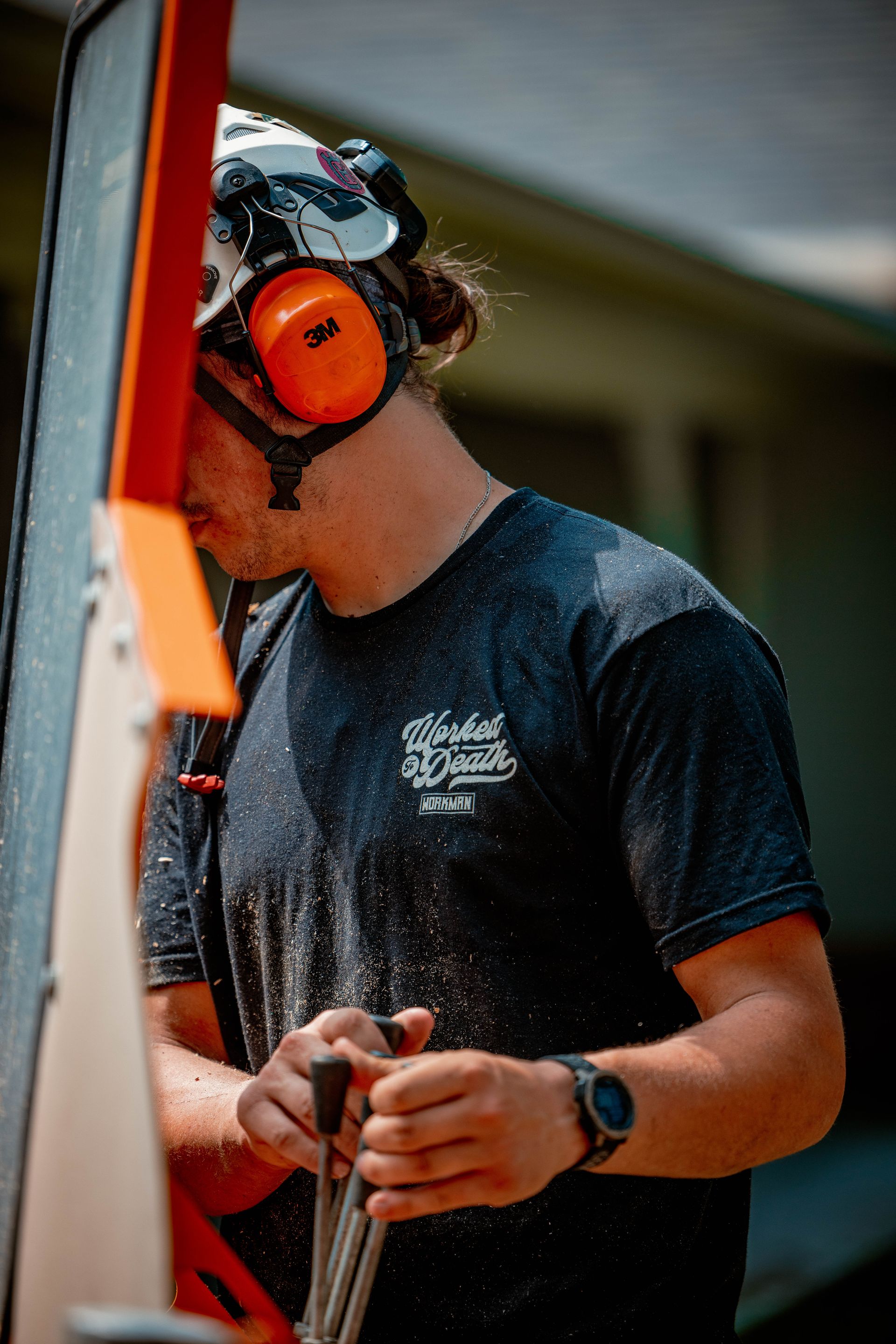
- Hard hat (Class E for electrical work)
- Safety glasses or goggles in areas with flying debris or dust
- High-visibility clothing near vehicle traffic (ANSI Class 2 or 3)
- Steel-toed or composite-toed footwear
- Work gloves appropriate to the task
Your site may have additional requirements. Always check with your GC or safety officer on day one.
Base Layer: The Most Overlooked Choice
Most workers think hard about their boots and ignore their shirt. That's backwards. You wear your base layer against your skin for 8–10 hours. It affects how hot you run, how fast you dry off, and how you feel by the end of the day.
Summer: Heavyweight Cotton Beats Synthetic
Counterintuitive but true — a 6–7oz cotton tee breathes better than a poly moisture-wicking shirt during heavy work. Synthetic fabrics trap odor compounds and feel clammy when soaked. Cotton absorbs, breathes, and dries with air movement. Go heavyweight so it holds its shape and doesn't go transparent with sweat.
Winter: Layering Is the System
Start with a thermal base layer, add a heavyweight long-sleeve tee as a mid layer, and finish with a fleece or insulated hoodie. The key is being able to shed layers during the active part of the day and add them back during breaks. Bring more than you think you need.
Hi-Vis: When You Need It and What to Get
If you're working near vehicle or equipment traffic, hi-vis isn't optional — it's ANSI/ISEA 107 required. The two classes you'll encounter:
| Class | Where Required |
|---|---|
| Class 2 | Near traffic up to 45 mph, most commercial sites |
| Class 3 | Near highway traffic, low-visibility conditions |
Look for hi-vis that's actually comfortable to wear all day — not the cheap mesh vests that tear at the reflective tape after two weeks. Our Hi-Vis line uses durable construction with real reflective tape and is cut to actually fit.
Pants: Cargo or Trade Pants, Not Jeans
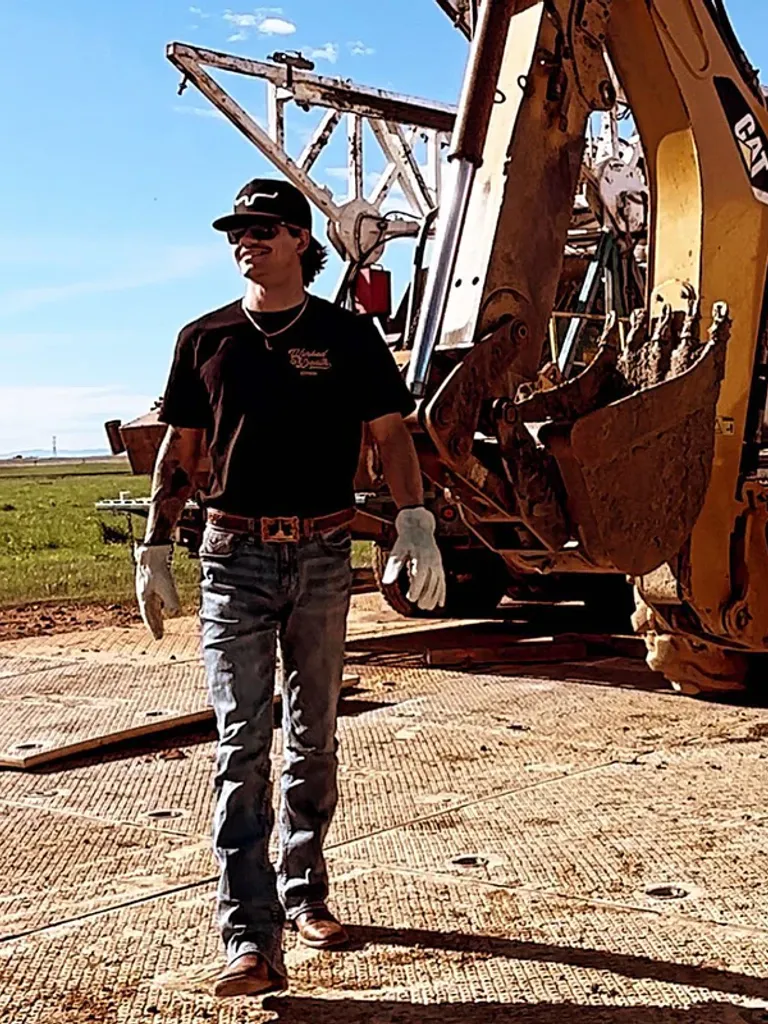
Denim jeans have their place, but purpose-built trade pants or cargo pants work better on site. Articulated knees for kneeling, reinforced seat, and actual usable pockets matter when you're moving tools all day. Dark colors hide grease; lighter colors stay cooler in summer.
Footwear: Don't Cheap Out
Your feet take the punishment of every surface you walk on — concrete, rebar, muddy subfloor. Steel-toe or composite-toe boots with a slip-resistant sole are the baseline. Look for electrical hazard (EH) rating if you're working anywhere near live circuits. Break them in before the job starts — a blister on day one is a rough way to begin a project.
Seasonal Adjustments
Summer: Heavyweight cotton tee, trade pants or shorts where allowed, sun-rated neck gaiter, plenty of water. Start early, work hard before 10am.
Winter: Thermal base, heavyweight long-sleeve, fleece hoodie, wind-resistant outer layer. Hand warmers in your pockets. Good boot socks — wool if you can afford it.
Rain: Waterproof outer layer that breathes (Gore-Tex or similar). Rubber boots or waterproof work boots. Don't let wet gear become a safety issue — numb hands lose grip.
Final Checklist Before the Job
- ✓ Hard hat and safety glasses in the bag
- ✓ Hi-vis if the site requires it
- ✓ Steel-toe boots laced up
- ✓ Heavyweight base layer appropriate for the weather
- ✓ Work gloves for your task
- ✓ Water and snacks — this is a safety item
Dress for the job you have. The workers who last the longest on site are the ones who figured out their system early and stopped thinking about it.